How Tech Is Changing Travel in Texas Cities

Texas cities are transforming how they attract and serve visitors through a combination of data-driven marketing, AI-powered operations, and smart infrastructure. From venue-level ad targeting placed directly on hotel booking platforms to large-scale digital billboard campaigns and predictive analytics, technology now shapes your journey from initial inspiration to final booking.
Across the state, tourism agencies and private partners are leveraging cookieless audience modeling, real-time data, and automation to improve visitor experiences while driving measurable growth in arrivals, bookings, and engagement.
Houston Hotels Use Booking Data to Replace Lost Business Travel
When business travel declined significantly after the pandemic, Houston’s hospitality industry shifted toward data-driven demand forecasting to recover. Houston First Corporation partnered with Amadeus’ Demand360® platform to analyze forward-looking booking data across more than 80,000 hotel rooms and millions of square feet of convention space.
This approach helped hotels anticipate demand more accurately, contributing to a strong rebound. Houston First reported record convention sales in 2024, including hundreds of future meetings booked and hundreds of thousands of room nights secured for upcoming years.
Houston also welcomed over 54 million visitors in 2024, reflecting continued growth in both leisure and convention travel. Rather than relying solely on historical trends, hotels now use real-time booking data and forward-looking insights to optimize pricing, staffing, and marketing strategies.
Digital Billboards Across Texas Boost Travel Engagement
Digital out-of-home (DOOH) advertising has become a major driver of tourism engagement across Texas. Campaigns deployed across major metros—including Dallas, Houston, Austin, San Antonio, Fort Worth, and El Paso—use dynamic, data-informed creative to reach travelers at key decision-making moments.
These campaigns have demonstrated strong performance:
- Up to 176% higher visitation rates among exposed audiences compared to non-exposed groups
- Hundreds of digital screens across major urban areas
- Time-of-day (dayparting) strategies that adjust messaging based on audience behavior
Unlike traditional billboards, these systems connect ad exposure to actual visitation data, offering measurable insights into which campaigns drive real-world travel decisions.
Location-Based Targeting Reaches Travelers on the Move
Location intelligence platforms such as Foursquare enable highly targeted campaigns based on real-world behavior. Advertising can be delivered to travelers at gas stations, retail hubs, and high-traffic corridors, capturing attention when people are actively planning or making travel decisions.
These systems rely on geofencing and aggregated mobility data, allowing brands to:
- Target travelers within specific geographic areas
- Measure foot traffic lift after exposure
- Reach audiences based on behavioral patterns rather than personal identifiers
This approach aligns with broader privacy shifts while still delivering relevant messaging to high-intent travelers.
Travel Texas Builds Campaigns Without Cookies
As third-party cookies become less reliable, Travel Texas has successfully implemented cookieless audience modeling to reach potential visitors. By combining website data, surveys, and AI-driven insights, campaigns can identify likely travelers without relying on traditional tracking.
Key outcomes include:
- 1.8 billion impressions delivered across digital, TV, and audio platforms
- 32% increase in brand awareness
- Significant gains in traveler intent and engagement
This strategy demonstrates how tourism marketing is evolving toward privacy-first, data-driven targeting that still delivers strong results.
How Technology Helps Lower Travel Costs
Technology is not only improving convenience—it’s also helping reduce costs for both travelers and operators.
For travelers, dynamic pricing systems allow airlines and hotels to adjust rates based on real-time demand, often creating opportunities for better deals during off-peak times. Mobile booking platforms and targeted promotions also help surface discounted rates and bundled packages.
For operators, automation reduces staffing pressures and operational inefficiencies. Tools like self-service kiosks, mobile check-in, and AI-driven scheduling lower overhead costs, which can help keep prices competitive.
Additionally, more efficient marketing—such as venue-level targeting—means destinations spend less on broad campaigns and more on high-intent audiences, improving return on investment without increasing costs for visitors.
Venue-Level Targeting Drives Faster Bookings
Modern travel campaigns increasingly focus on specific venues and experiences rather than broad destination messaging. Ads placed directly on hotel listings, travel search platforms, and package pages reach users at the moment they are ready to book.
This precision targeting has shown measurable impact:
- Millions of visits to destination websites driven by behavioral targeting
- High conversion rates for users already in the planning phase
- Faster booking timelines, often within a few days of initial engagement
By aligning marketing with traveler intent, destinations can convert interest into bookings more efficiently.
How Travelers Experience Tech-Enabled Trips in Texas
A typical Texas travel experience now involves multiple layers of technology working together seamlessly.
You might first encounter a destination through a targeted digital ad while browsing travel sites. After clicking through, you’re directed to a hotel listing or package page tailored to your interests, helping you book quickly without extensive searching.
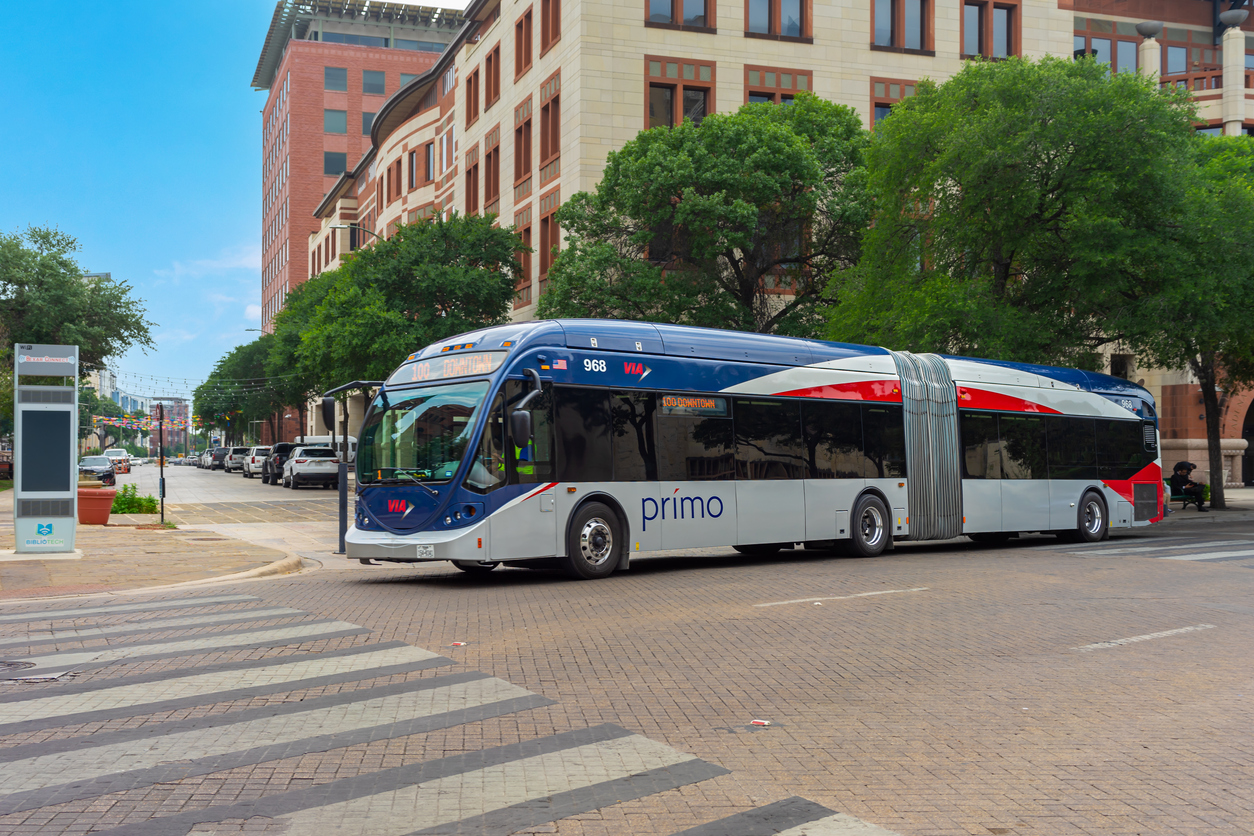
Upon arrival, navigation apps guide you from the airport to your hotel using real-time traffic data. At your destination, you can rely on transit apps, digital kiosks, or rideshare platforms to move between neighborhoods, attractions, and restaurants.
During your stay, hotels may use automated check-in systems or mobile keys, reducing wait times and streamlining your arrival. If you need assistance, AI-powered chat tools or concierge services provide quick answers without requiring in-person interaction.
This connected journey reduces friction at every stage, making travel more efficient and personalized.
AI and Automation Transform Texas Tourism Operations
Artificial intelligence is reshaping how tourism businesses operate across Texas. Hotels, airports, and attractions are adopting systems that improve both efficiency and personalization.
Common applications include:
- AI-powered chatbots and digital concierges for guest services
- Dynamic pricing systems based on demand, events, and market conditions
- Self-service kiosks and mobile check-in tools that reduce wait times
- Service robotics and automation in select hospitality environments
State-level initiatives, including efforts by the Texas Department of Transportation, have identified hundreds of potential AI use cases to improve operations, safety, and traveler experience across public systems.
DFW Airport Technology Supports Massive Passenger Volume
Dallas Fort Worth International Airport (DFW) demonstrates how advanced technology supports large-scale travel operations. Handling tens of millions of passengers annually, the airport uses AI-driven systems to coordinate logistics across terminals and infrastructure.
Key innovations include:
- Digital twin technology for real-time system monitoring
- Predictive analytics to manage peak travel periods
- Integrated operations centers that coordinate airport activity
These systems help maintain efficiency while supporting ongoing expansion projects, ensuring smoother travel experiences for passengers.
The Future of Travel Technology in Texas
Looking ahead, Texas cities continue to invest in technologies that will further transform travel.
Autonomous transportation remains a key area of development, with pilot programs testing driverless shuttles in controlled environments. While not yet widespread, these systems are expected to expand in urban districts and mixed-use developments.
Smart infrastructure is also growing, including connected traffic systems, sensor-based monitoring, and real-time data platforms that improve safety and efficiency.
Airports and major venues are exploring biometric screening, advanced AI logistics, and fully integrated digital ecosystems to reduce wait times and streamline movement.
As these innovations evolve, travelers can expect more seamless, personalized, and efficient experiences across Texas cities.