A Japan History Calendar for Monthly Cultural Learning
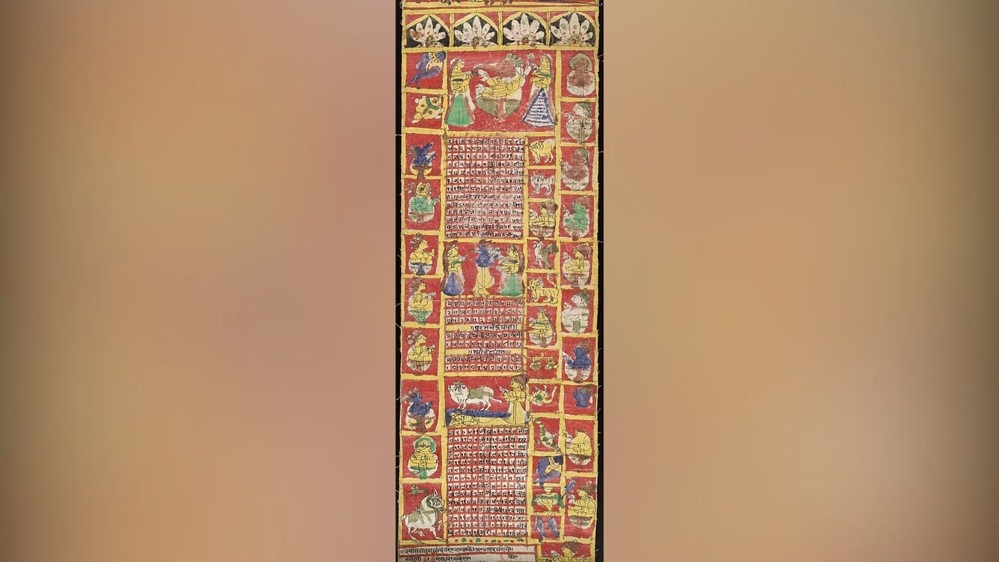
If you’ve ever wondered why Japan’s seasons feel so intentional, the answer lies in how time itself has been structured. A Japan history calendar isn’t just about dates—it’s a way of understanding how culture, nature, and daily life move together. Each month carries traditions that reflect centuries of observation and ritual.
Following this calendar means more than marking holidays. It means watching cherry blossoms travel north, recognizing the quiet shift into autumn, and understanding why certain rituals happen at specific times. What might look like seasonal events are actually part of a long-standing rhythm that continues to shape modern life.
The Lunisolar Roots of Japan's Traditional Calendar
Japan’s traditional calendar began as a lunisolar system, combining the cycles of the moon with the position of the sun. Introduced from China through Korea in the sixth century, it aligned timekeeping with both natural light patterns and lunar phases. This system shaped how months were defined and how seasonal changes were understood.
Each month followed the waxing and waning of the moon, lasting either 29 or 30 days. To keep the calendar aligned with the solar year, an extra month—known as uru-zuki—was added when needed. This adjustment kept agricultural cycles and seasonal rituals in sync with the natural world.
Although Japan officially adopted the Gregorian calendar in 1873, the older system didn’t disappear. Its influence remains visible in festivals, seasonal language, and cultural timing. Even today, many traditions still follow patterns established by this earlier way of measuring time.

The 24 Solar Terms Behind Japan's Seasonal Traditions
Rooted in ancient China, the 24 solar terms arrived in Japan during the Asuka period in the 7th century, reshaping how people understood the seasons. Each term spans roughly 15 days, tracking the sun's ecliptic longitude rather than the lunar calendar. Japan adapted this Chinese system to fit its own climate, weaving it into agriculture, seasonal rituals, and folk weathercraft.
You'll notice each year is divided into 24 sekki, further broken into 72 micro-seasons of about five days each. These mark shifts in weather, plant growth, and animal behavior. Summer terms like Bōshu signal rice planting, while winter terms like Daikan precede Setsubun's bean-throwing rituals. This framework kept farming communities attuned to nature's rhythm with remarkable precision.
Within these micro-seasons, natural phenomena are tracked in extraordinary detail, such as Kansen Naku, the point when cicadas begin to sing, marking the middle passage of Risshu, the solar term for the beginning of autumn. Just as the body's taste cells follow a cycle of constant renewal, refreshing roughly every 8–14 days to maintain sensory function, Japan's micro-seasons rotate in a similarly precise biological rhythm that reflects nature's own cycles of regeneration.
January Through March: New Year Rituals and Spring Awakening
As those 24 solar terms quietly governed Japan's agricultural and spiritual rhythms throughout the year, none carried more weight than the ones marking winter's end and spring's return. Japan's New Year traditions blend spiritual preparation with communal celebration, shaping your entire January experience.
Key Hatsumode rituals and early January customs include:
- Visiting shrines January 1–3 to offer prayers for the coming year
- Drinking Toso sake at 9 a.m. alongside a generous New Year breakfast
- Stacking Kagami Mochi rice cakes as offerings to gods for longevity
- Interpreting your first dream's symbols, like Mount Fuji or a hawk
- Breaking hardened Kagami Mochi on January 11 during Kagami biraki
These layered practices connect you directly to centuries of living Japanese tradition. Popular shrines like Meiji Jingu and Fushimi Inari Taisha draw over a million visitors in early January, making advance planning essential for a meaningful experience.
April Through June: Cherry Blossoms and Festival Season
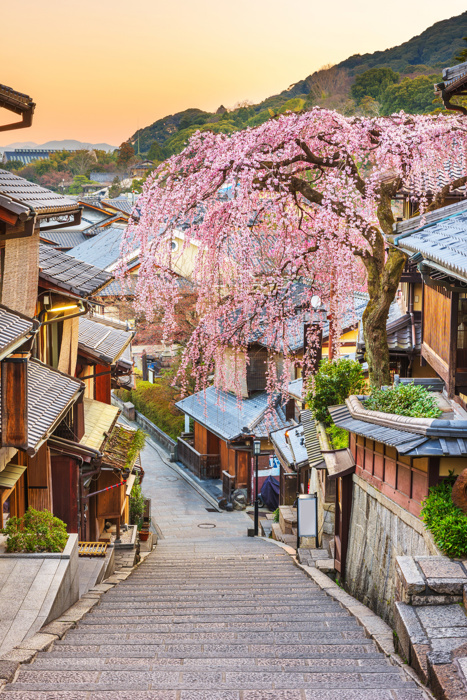
Spring's most celebrated spectacle unfolds across Japan in a rolling wave, sweeping from Kyushu's warmer southern shores in late March all the way up to Hokkaido by late April and early May. You'll find peak bloom lasting roughly one week, so timing your visit matters.
Central destinations like Tokyo and Kyoto hit their stride in late March through early April, while northern spots like Hirosaki peak April 17–27. Exploring different cherry varieties enriches your experience—Kawazu Zakura blooms as early as February, while Kohigan trees define Takato Castle Site Park.
Festival etiquette means respecting shared spaces during hanami gatherings, especially at crowded venues like Ueno, where the festival concludes by April 5. Kakunodate's festival then carries celebrations through May 5. Hirosaki's petal-covered moats make it one of Japan's most photographed cherry blossom settings during its peak window.
July Through September: Summer Celebrations and Harvest Traditions
Japan's summer calendar bursts into action with an intensity that rivals spring's cherry blossom season, stretching from the star-lit wishes of July's Tanabata through Obon's ancestral ceremonies in mid-August and into September's harvest-tinged traditions. You'll encounter festivals demanding active participation:
- Tanabata crafts: Write wishes on tanzaku paper and hang them on bamboo branches
- Kyoto's Gion Matsuri runs all July, parading UNESCO-recognized yamaboko floats weighing 12 tons
- Fireworks etiquette: Arrive early at Sumida River to secure respectful viewing positions
- Osaka's Tenjin Matsuri combines 3,000-person land processions with 100-boat river parades
- Rent haneto costumes to join Aomori's Nebuta Festival alongside 2.2 million visitors
Obon then shifts the energy inward, honoring ancestors before harvest traditions close summer out. In Kyoto, the Gozan Okuribi ritual lights bonfires across five mountains on August 16 to ceremonially send off the spirits of the deceased.
Be sure to check out tools to build your own custom calendars today!
October Through December: Autumn Equinox and Japan's Year-End Customs
Autumn arrives with a quieter, more introspective rhythm than summer's festival frenzy, anchoring itself around the Autumn Equinox (Shūbun no Hi) on September 22 or 23. You'll notice families observing Ohigan, Buddhism's seven-day equinoctial period, through hakamairi—practicing careful grave etiquette by cleaning sites, offering flowers, and burning incense to honor ancestors.
Moon offerings take center stage during Tsukimi, observed on the lunar calendar's 15th and 13th nights in October and November respectively. You place dango and seasonal foods outside, expressing harvest gratitude under the full moon's light.
As November shifts toward December, year-end reflections deepen. During this period, families traditionally prepare and share ohagi, a sweet rice treat covered with bean paste that takes its name from the hagi clover blooming at equinox time. You'll find these autumn customs—ancestor veneration, harvest acknowledgment, lunar celebrations—collectively building the contemplative foundation from which Shogatsu preparations naturally emerge.
How the Traditional Calendar Still Shapes Modern Japanese Life
Even with the widespread use of the Gregorian calendar, traditional elements remain embedded in everyday life. Certain dates are still viewed as more favorable than others, influencing decisions like weddings, business openings, and major life events. These ideas don’t dominate daily scheduling, but they quietly guide important choices.
Seasonal awareness continues to appear in language and media. Weather reports, advertisements, and even packaging often reference seasonal markers rooted in the 24 solar terms. These cues help people stay aware of subtle environmental changes rather than relying only on fixed dates.
The result is a layered sense of time. Modern systems provide structure, while traditional rhythms add meaning. Together, they create a way of living where efficiency and cultural awareness exist side by side, keeping older ideas active within contemporary routines.
How Seasonal Awareness Influences Daily Life
Seasonal awareness in Japan extends far beyond festivals and into everyday habits. Meals, clothing, and even small lifestyle choices shift naturally throughout the year, creating an ongoing connection between people and their environment. These adjustments are often subtle but consistent.
Food plays a major role in this awareness. Seasonal ingredients are prioritized not only for freshness but for cultural relevance, reinforcing a sense of timing and appreciation for change. Clothing follows a similar pattern, balancing practicality with visual alignment to the season.
This approach creates continuity. Instead of feeling like separate periods, each season flows into the next through small, repeated adjustments. Over time, this rhythm becomes intuitive, shaping daily life in a way that feels both structured and organic.
Why Festivals Anchor Cultural Memory
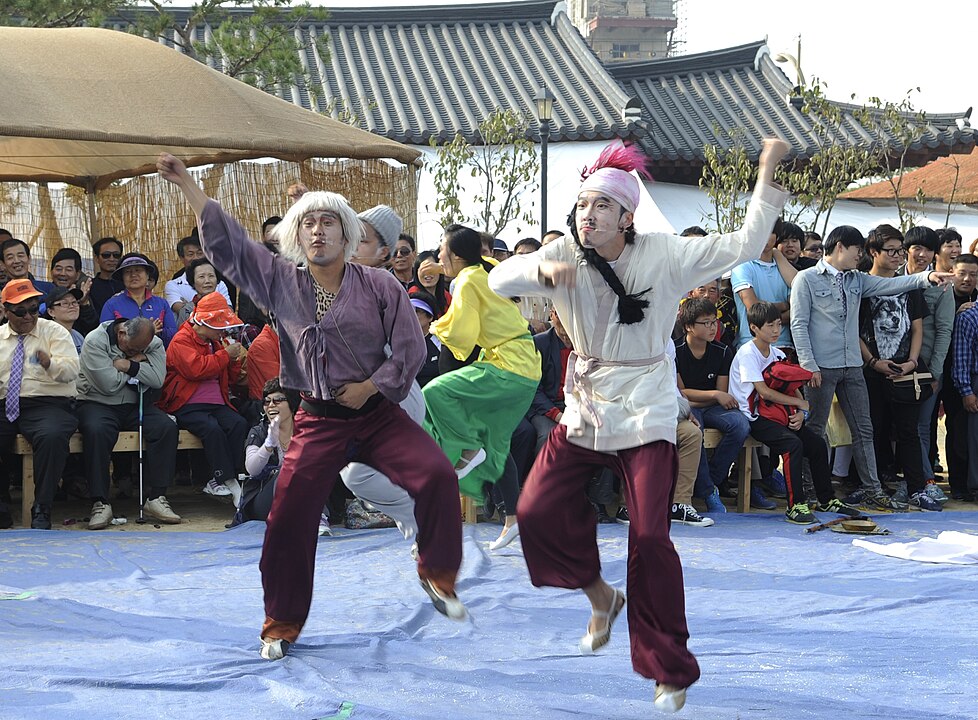
Festivals serve as recurring points of connection between generations. Because they happen at the same time each year, they allow traditions to be experienced rather than simply remembered. Participation keeps these practices active instead of turning them into distant history.
They also reinforce a sense of shared identity. Whether through food, rituals, or performances, people engage collectively, creating experiences that are both personal and communal. These moments strengthen cultural continuity by making traditions part of lived experience.
Over time, festivals become markers of memory. They define the rhythm of the year and give certain moments lasting significance. This repetition helps preserve cultural meaning while allowing each generation to interpret it in their own way.
How a Calendar System Creates Cultural Continuity
A structured calendar does more than organize time—it shapes how culture is experienced. By assigning meaning to specific periods, it creates a framework that connects everyday life with larger traditions. This makes time feel purposeful rather than purely functional.
Because these patterns repeat, traditions remain recognizable even as society changes. Practices may evolve, but their placement within the year stays consistent, allowing them to retain their significance. The calendar acts as a stable reference point.
This structure supports long-term continuity. It connects generations through shared timing, ensuring that traditions are not lost but carried forward. In this way, the calendar becomes more than a tool—it becomes a system that sustains cultural identity over time.
How Nature Cycles Shape Cultural Timing
Natural cycles play a central role in how time is experienced. Changes in weather, daylight, and plant life influence not just agriculture but also the pacing of everyday activities. These patterns create a rhythm that people learn to recognize and anticipate.
In traditional systems, timing was closely tied to observation. Instead of relying only on fixed dates, people responded to visible changes in their surroundings. This approach encouraged attentiveness, making daily life more connected to environmental shifts.
That influence still exists today. Even with modern forecasting and technology, seasonal changes continue to guide behavior. This connection reinforces a sense of balance, where time is understood through both measurement and experience.
Why Seasonal Transitions Feel So Structured in Japan
Seasonal transitions in Japan often feel deliberate rather than abrupt. Cultural practices, visual cues, and shared expectations help mark these changes clearly, making each shift feel intentional. This structure creates a smoother progression from one period to the next.
You can see this in how environments are adjusted. Decorations, clothing, and even product displays shift in alignment with the season, signaling change in a way that feels coordinated rather than random. These cues help people adapt without needing major adjustments.
This structured transition creates a sense of continuity. Instead of experiencing time as fragmented, each season feels like part of a larger cycle. That consistency makes change easier to navigate while reinforcing a deeper awareness of the passing year.
Conclusion
Japan’s historical calendar offers more than a way to measure time—it provides a framework for understanding how culture evolves alongside nature. Each season carries traditions that reflect both historical roots and contemporary practices.
As modern life continues to change, these patterns remain surprisingly resilient. They adapt, but they don’t disappear. By following this calendar, you’re not just tracking dates—you’re engaging with a system that continues to shape how people experience time, culture, and connection.